
A healthy smile is more than just a beautiful detail. It affects the way we speak, eat, communicate, and feel about ourselves every day. When teeth are missing, damaged, misaligned, or weakened, even simple daily activities can become uncomfortable. Modern dentistry offers a wide range of solutions designed not only to improve appearance, but also to restore proper function, protect oral health, and support long-term comfort.
Dental prosthetics and orthodontics are two important areas of modern dental care. Prosthetic dentistry focuses on replacing or restoring damaged and missing teeth, while orthodontics helps correct tooth position, bite problems, and jaw alignment. Together, these treatments can dramatically improve both the look and function of a patient’s smile.
Dental prosthetics is a branch of dentistry that deals with the restoration or replacement of teeth. The goal is to bring back natural chewing ability, clear speech, facial balance, and a confident appearance. Prosthetic solutions may be fixed or removable, depending on the patient’s needs, oral condition, budget, and long-term treatment plan.
Common types of dental prosthetics include crowns, bridges, dentures, veneers, inlays, onlays, and implant-supported restorations. Each option is designed for a specific purpose. Some treatments restore a single damaged tooth, while others replace several missing teeth or even a full dental arch.
Modern prosthetic dentistry has become much more precise and comfortable thanks to digital technologies, advanced materials, and improved treatment planning. Today, dental restorations can look very natural and feel close to real teeth.
Many people think that losing one tooth is not a serious problem, especially if the missing tooth is not visible when smiling. In reality, even one missing tooth can affect the entire dental system.
“Many people think that losing one tooth is not a serious problem, especially if the missing tooth is not visible when smiling.”
Why Missing Teeth Should Not Be Ignored
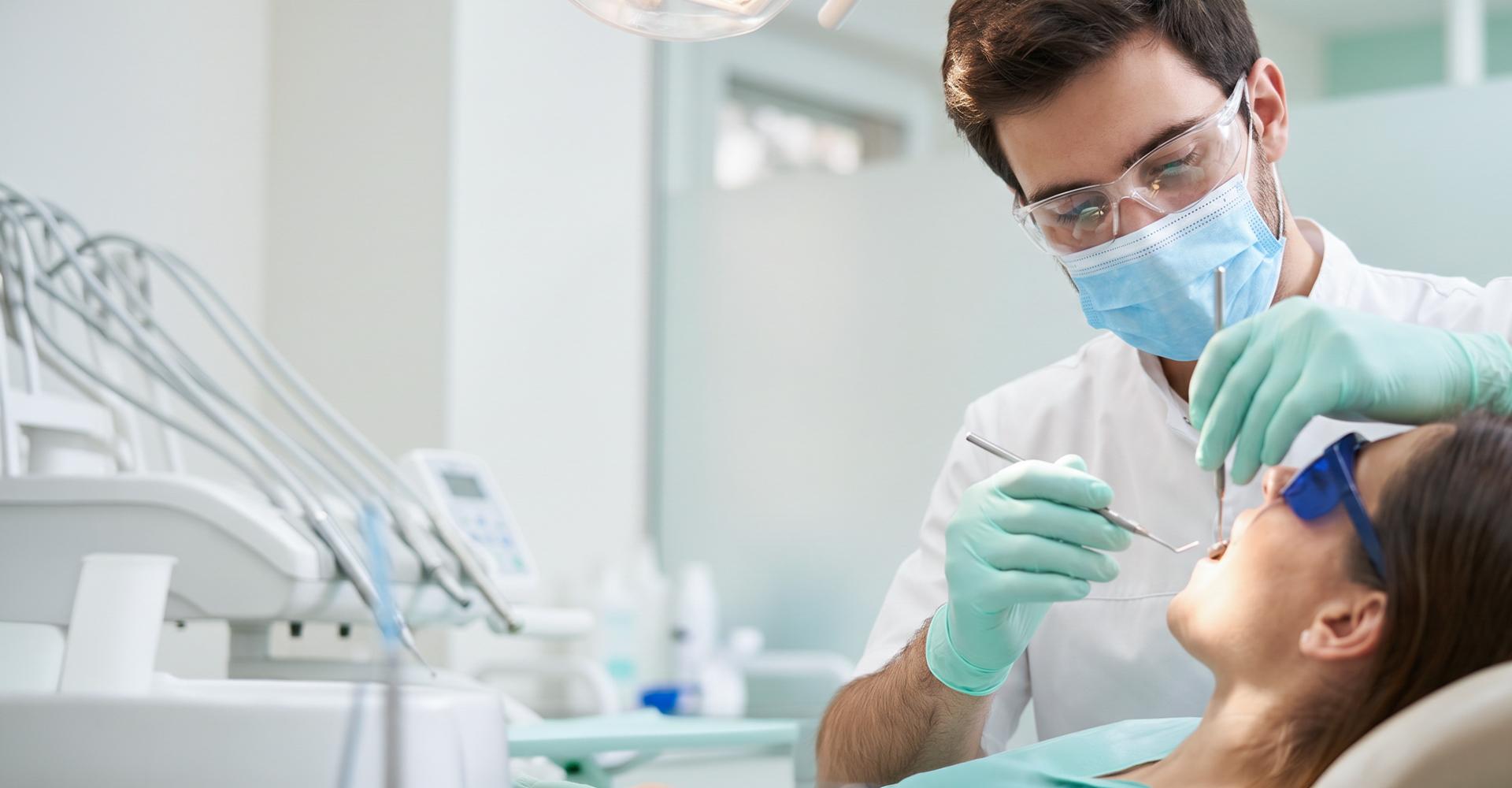
When a tooth is lost, nearby teeth may slowly shift into the empty space. This can change the bite, create gaps, make cleaning more difficult, and increase the risk of tooth decay or gum problems. The jawbone in the area of the missing tooth may also begin to lose volume because it no longer receives normal chewing pressure.
Replacing missing teeth helps maintain proper bite balance, supports facial structure, and prevents future dental complications. It also improves chewing comfort, speech, and confidence in everyday life.
A dental crown is a custom-made restoration that covers the visible part of a tooth. Crowns are often used when a tooth is badly damaged, weakened after root canal treatment, cracked, heavily filled, or severely worn down.

The main purpose of a crown is to protect the remaining tooth structure and restore its shape, strength, and appearance. Modern crowns can be made from ceramic, zirconia, porcelain-fused-to-metal, or other durable materials. Ceramic and zirconia crowns are especially popular because they offer a natural look and high strength.
- Tradition with innovation
- Outstanding service
- Clear communication
A well-made crown should feel comfortable, match the surrounding teeth, and allow the patient to chew normally. With proper care, crowns can serve for many years. A dental bridge is used to replace one or more missing teeth. It usually consists of artificial teeth attached to neighboring natural teeth or dental implants. Unlike removable dentures, a bridge is fixed in place and does not need to be taken out daily.
Bridges can restore chewing ability, improve smile appearance, and prevent neighboring teeth from moving into the empty space. They are often a good option for patients who want a stable solution but may not be ready or suitable for dental implants.
Fixed vs. Removable Prosthetics
Dental implants are one of the most advanced solutions for replacing missing teeth. An implant acts as an artificial tooth root that is placed into the jawbone. After healing, a crown, bridge, or denture can be attached to the implant.
One of the main advantages of implants is that they help preserve jawbone volume by providing stimulation similar to a natural tooth root. They also do not require preparation of neighboring healthy teeth. Implants can be used to replace a single tooth, several teeth, or even a full arch. For many patients, implant-supported restorations offer excellent stability, comfort, and a natural appearance. Before implant treatment, the dentist evaluates bone quality, gum health, general health condition, and the patient’s oral hygiene habits. Proper planning is essential for long-term success.
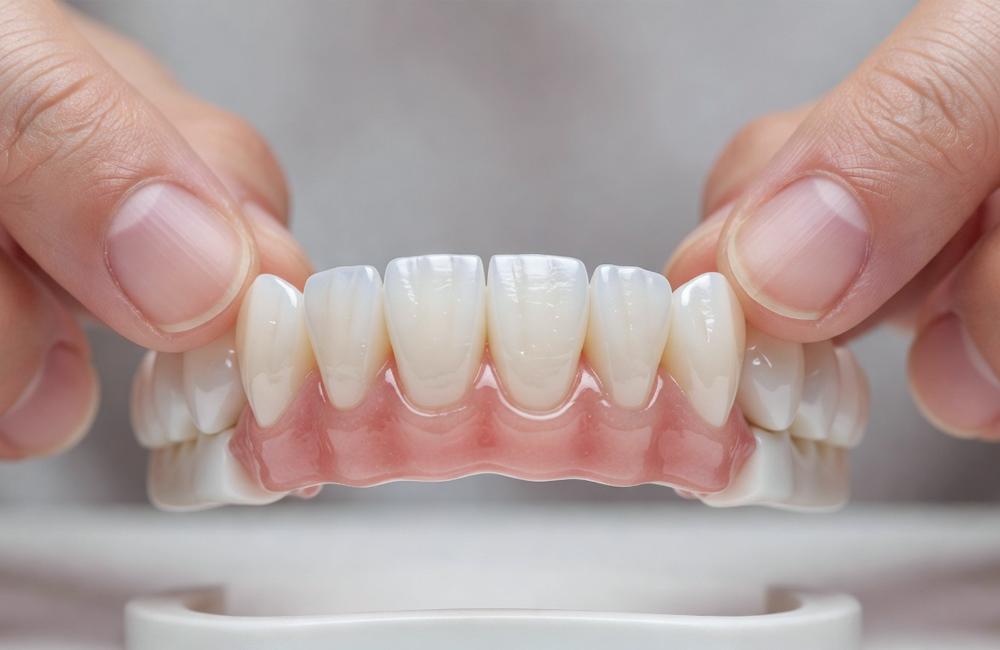
Dentures are removable prosthetic appliances used to replace missing teeth. They may be partial or complete, depending on how many teeth are missing.
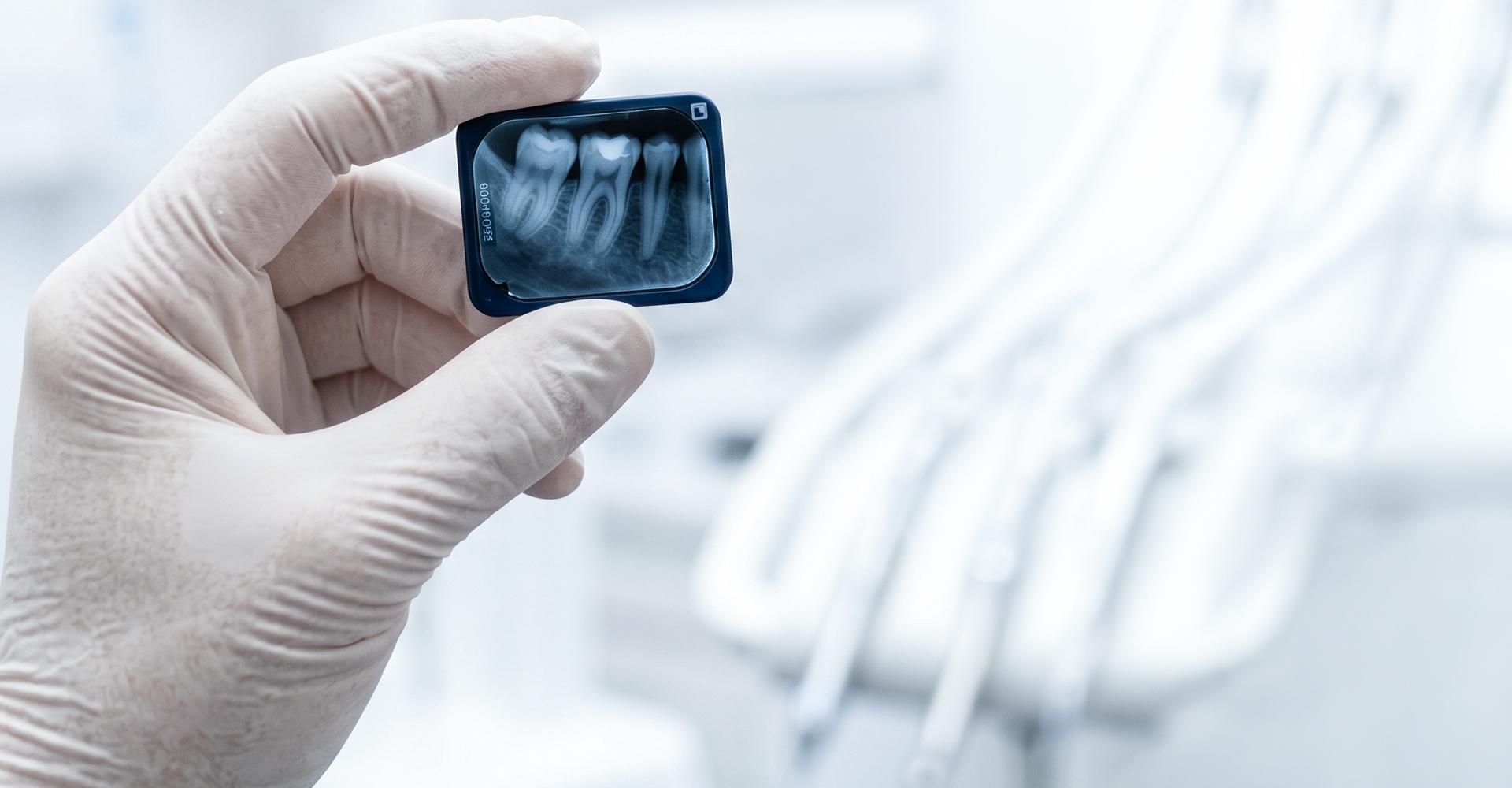
Partial dentures are used when some natural teeth remain. Complete dentures are used when all teeth in one or both jaws are missing. Modern dentures are much more comfortable and natural-looking than older versions. They are designed to fit better, improve chewing, and support facial shape.
Some dentures can also be supported by dental implants. Implant-supported dentures offer better stability and reduce movement during speaking or eating. This can be a major improvement for patients who struggle with traditional removable dentures.
What Is Orthodontics?
One of the most common questions patients ask is whether they should choose fixed or removable prosthetics. Fixed prosthetics, such as crowns, bridges, and implant-supported restorations, stay in the mouth permanently and are cared for similarly to natural teeth. They usually feel more stable and comfortable.

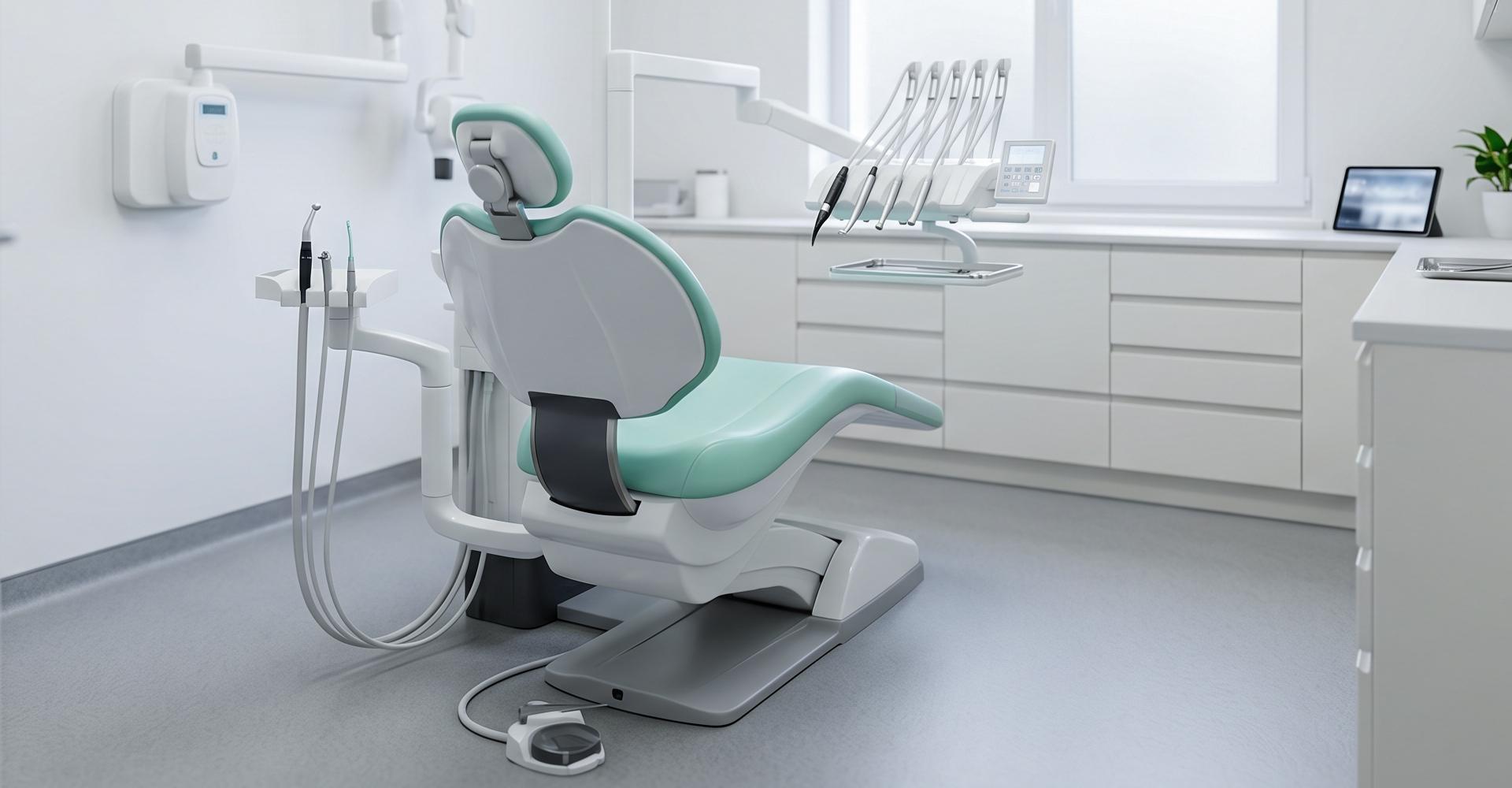
Removable prosthetics, such as partial or complete dentures, can be taken out for cleaning. They may be more affordable and suitable for certain clinical situations, but they often require a period of adaptation. The best choice depends on the patient’s oral health, number of missing teeth, bone condition, lifestyle, and expectations. A dentist can recommend the most suitable option after a full examination.
Orthodontics is the area of dentistry focused on correcting the position of teeth and jaws. Orthodontic treatment can improve the appearance of the smile, but it also plays an important role in oral health.
Misaligned teeth can be harder to clean, which increases the risk of cavities and gum disease. Bite problems can cause uneven tooth wear, jaw discomfort, headaches, and chewing difficulties. Orthodontic treatment helps create a more balanced bite and better tooth alignment.